Facilities for Paramedical Sciences
The institute offers a modern, clinically integrated learning environment designed to build highly skilled healthcare professionals across Optometry, Operation Theatre Technology, Medical Laboratory Technology, and Medical Imaging Technology. The entire campus is developed as a training-focused healthcare ecosystem where academics, diagnostics, and clinical exposure work together seamlessly to prepare students for real-world hospital settings
Academic & Learning Infrastructure
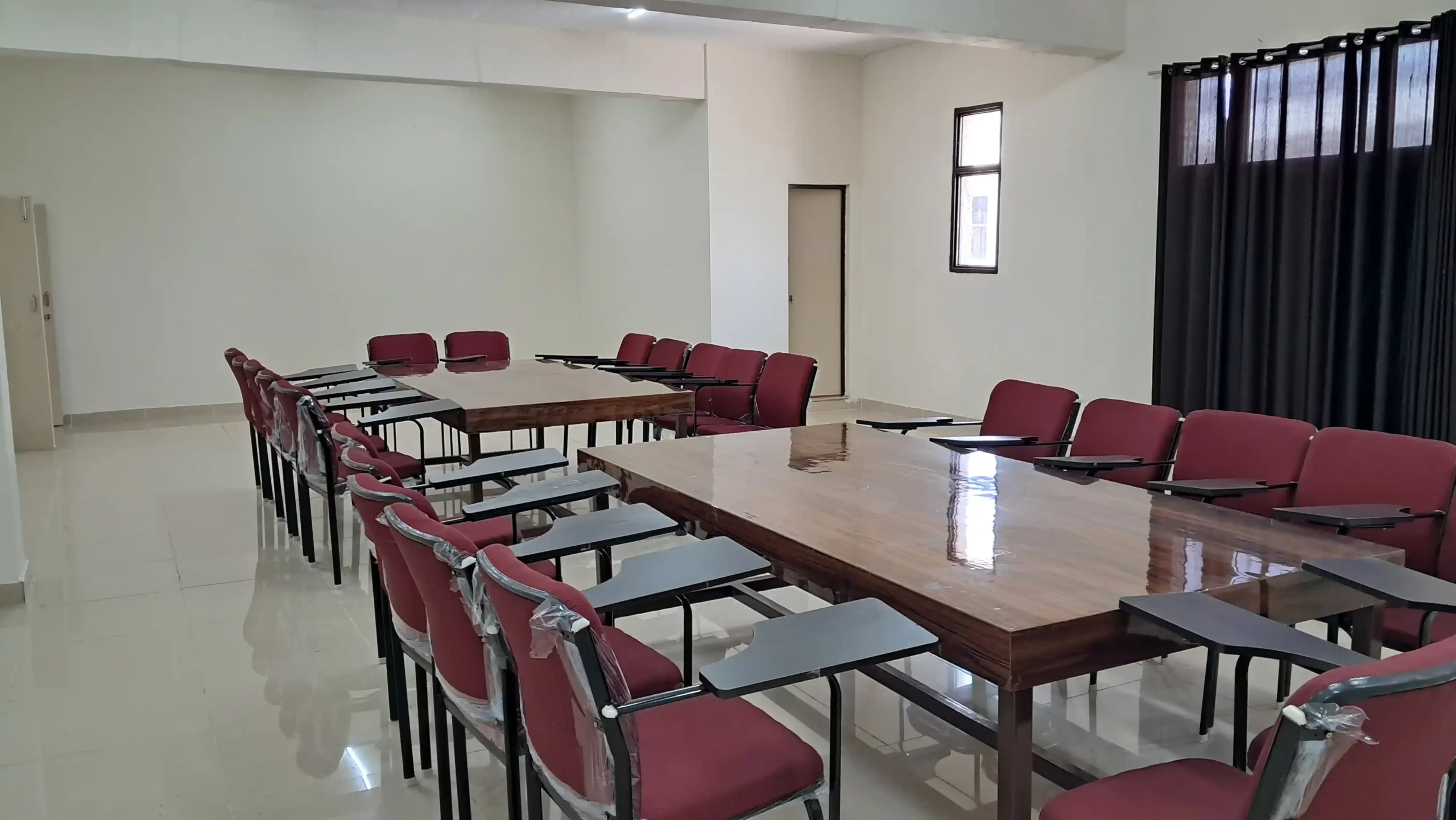
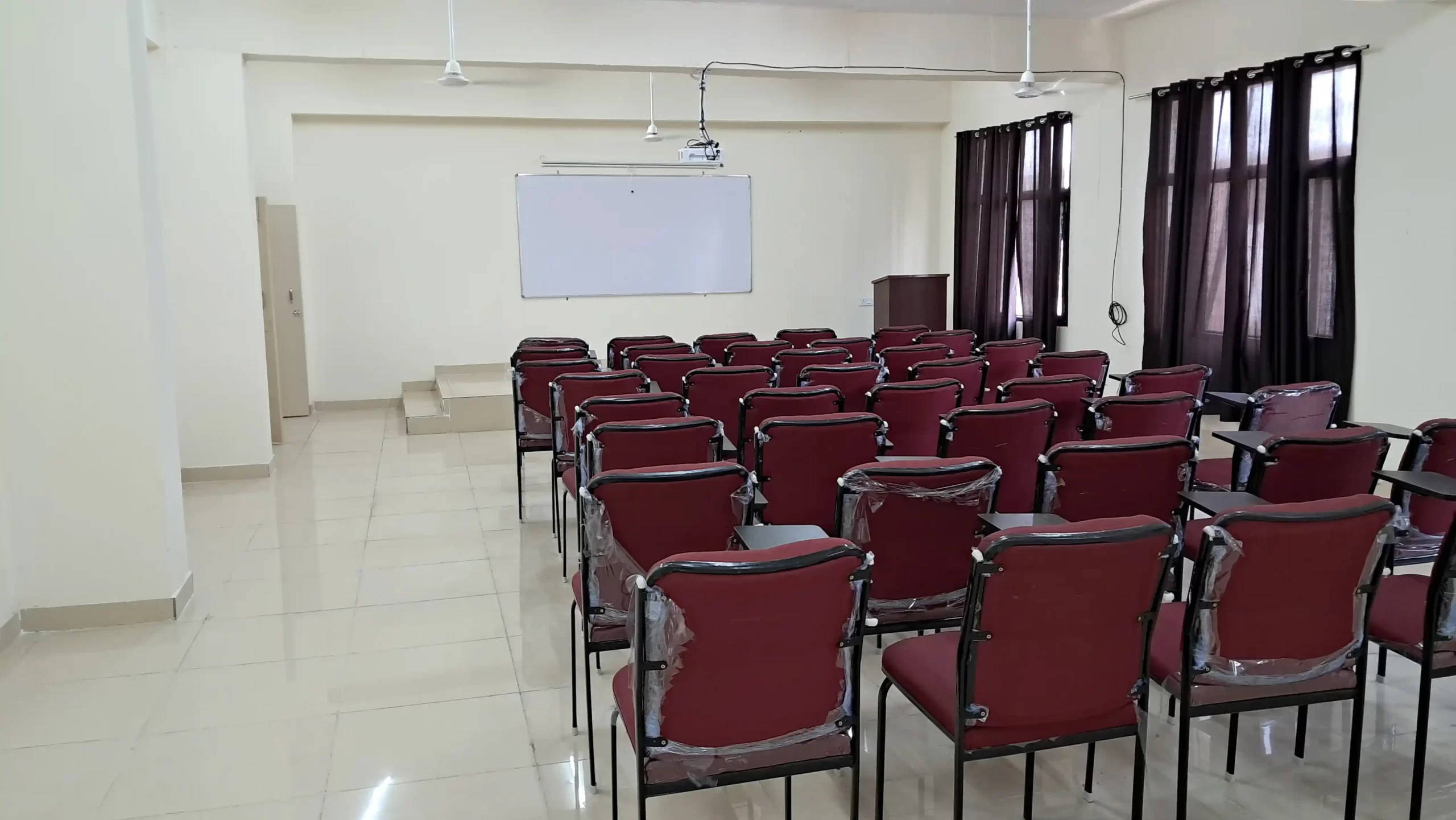
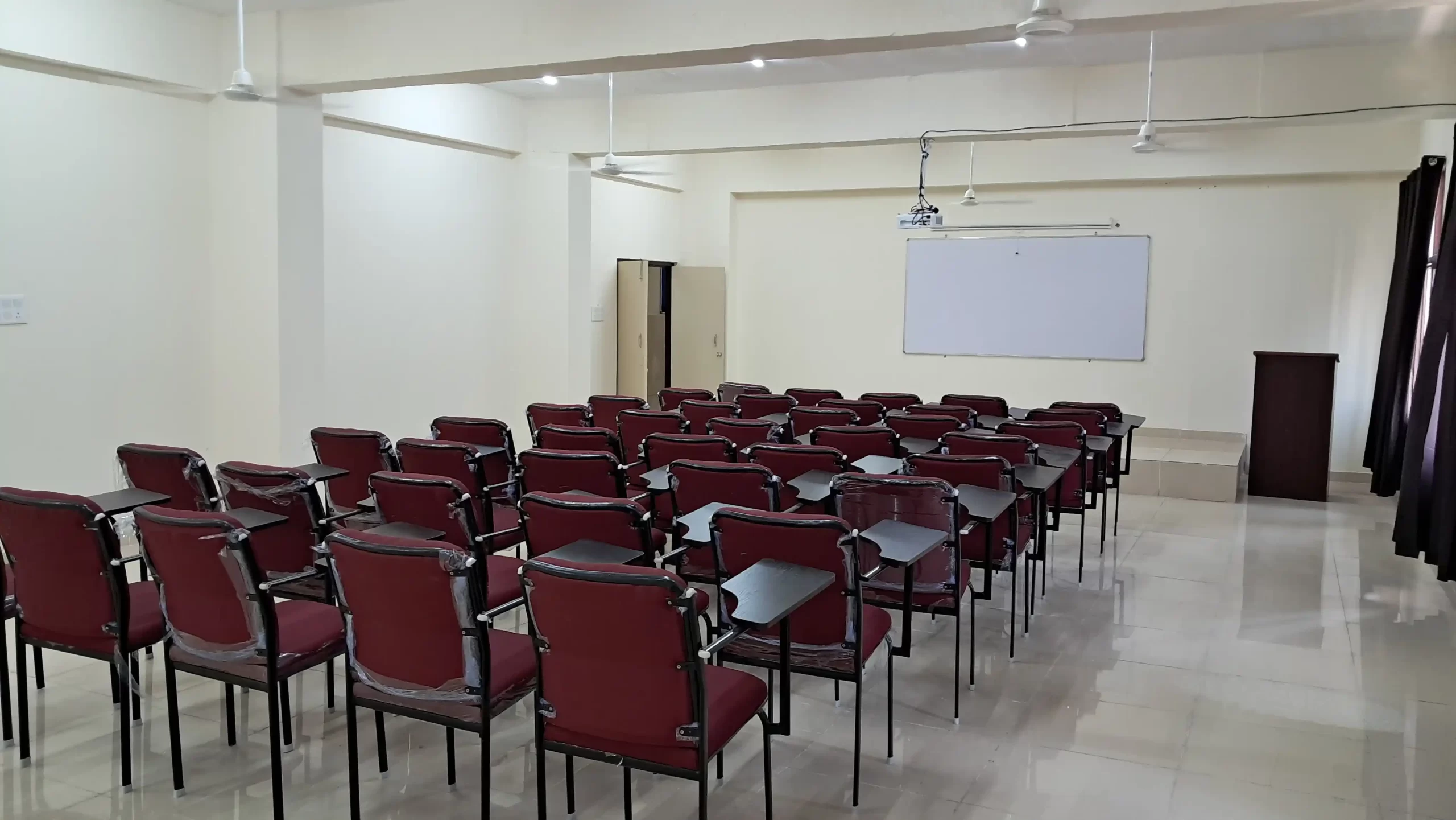
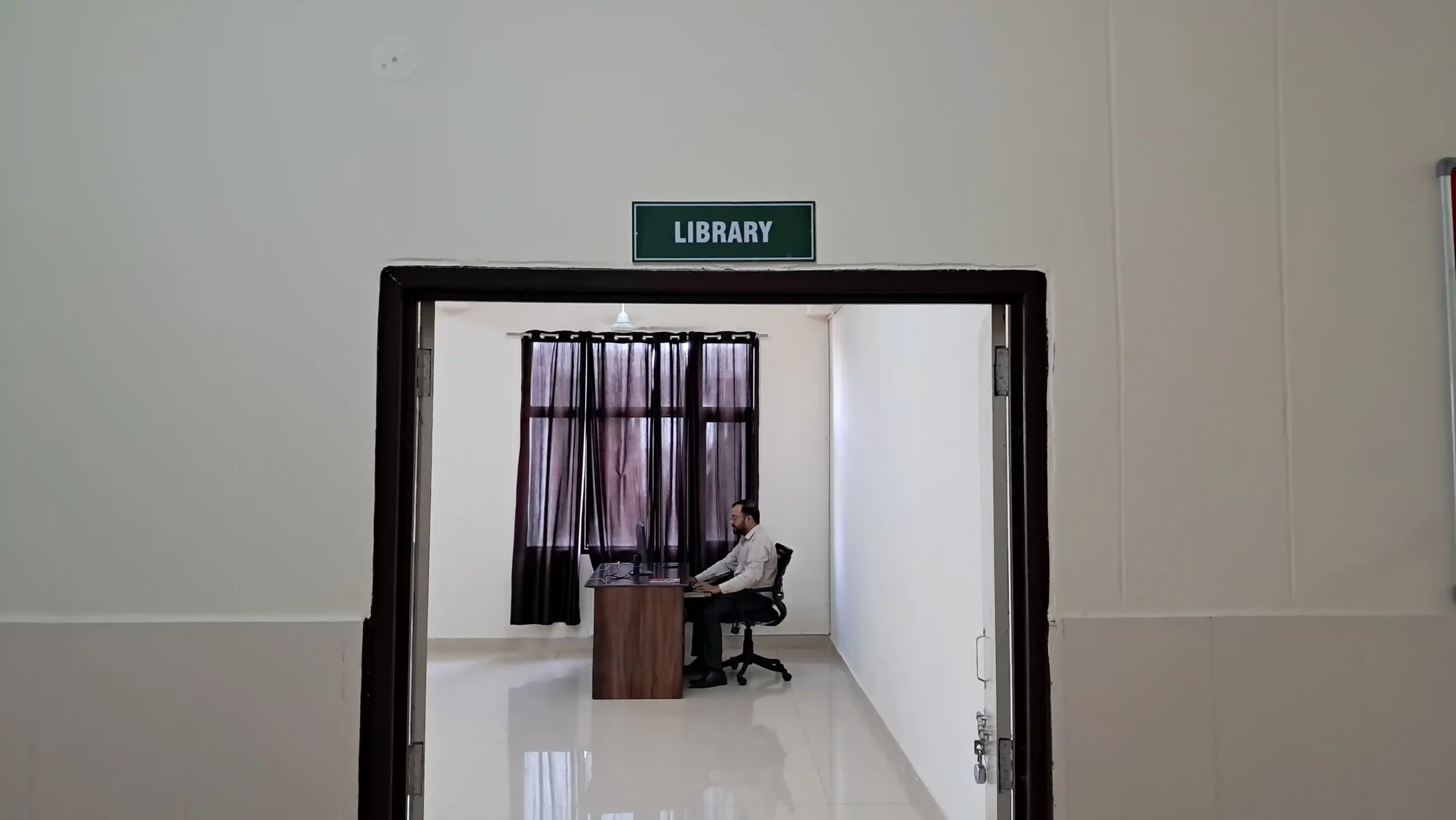
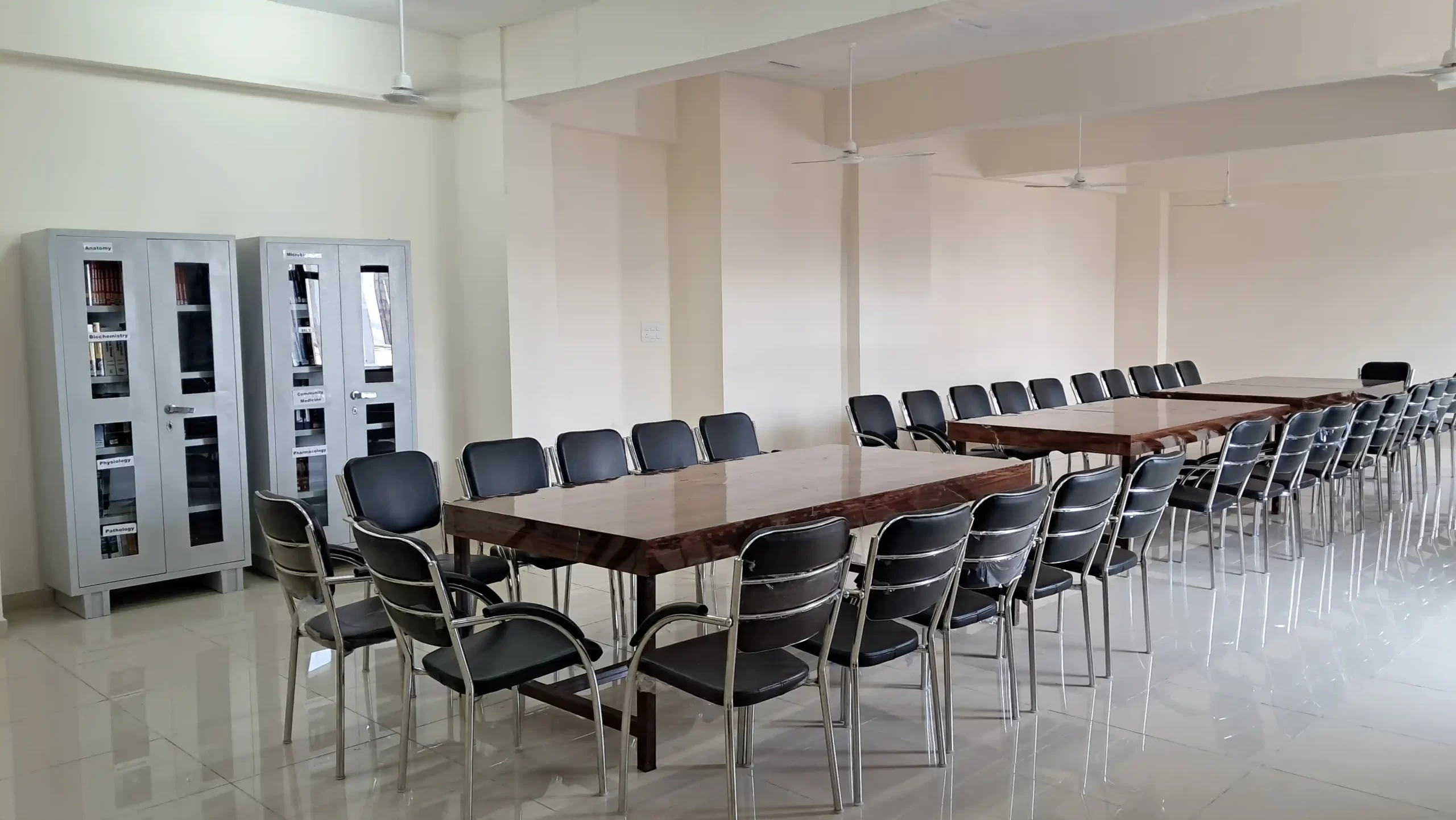
The institute features spacious, well-ventilated, and technologically equipped classrooms designed to support interactive and digital learning methodologies. Teaching is strengthened through smart educational tools, case-based discussions, and practical demonstrations. An advanced E-Library system provides access to national and international journals, e-books, and research databases, enabling students to stay updated with evolving medical sciences.
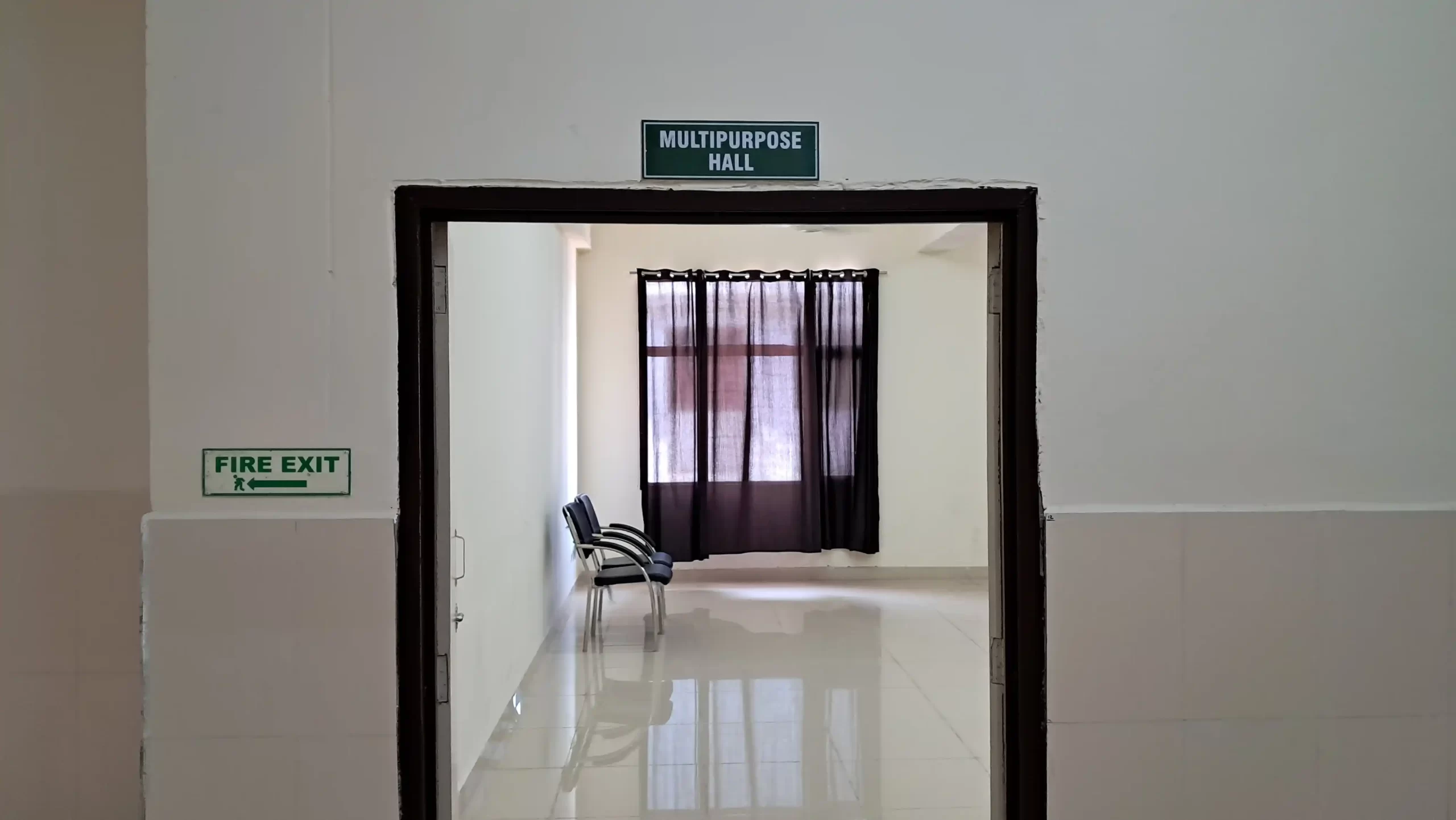
A fully equipped auditorium serves as a hub for academic events such as seminars, conferences, workshops, and expert guest lectures, encouraging continuous professional exposure and knowledge enhancement.
Advanced Laboratory & Clinical Training Facilities
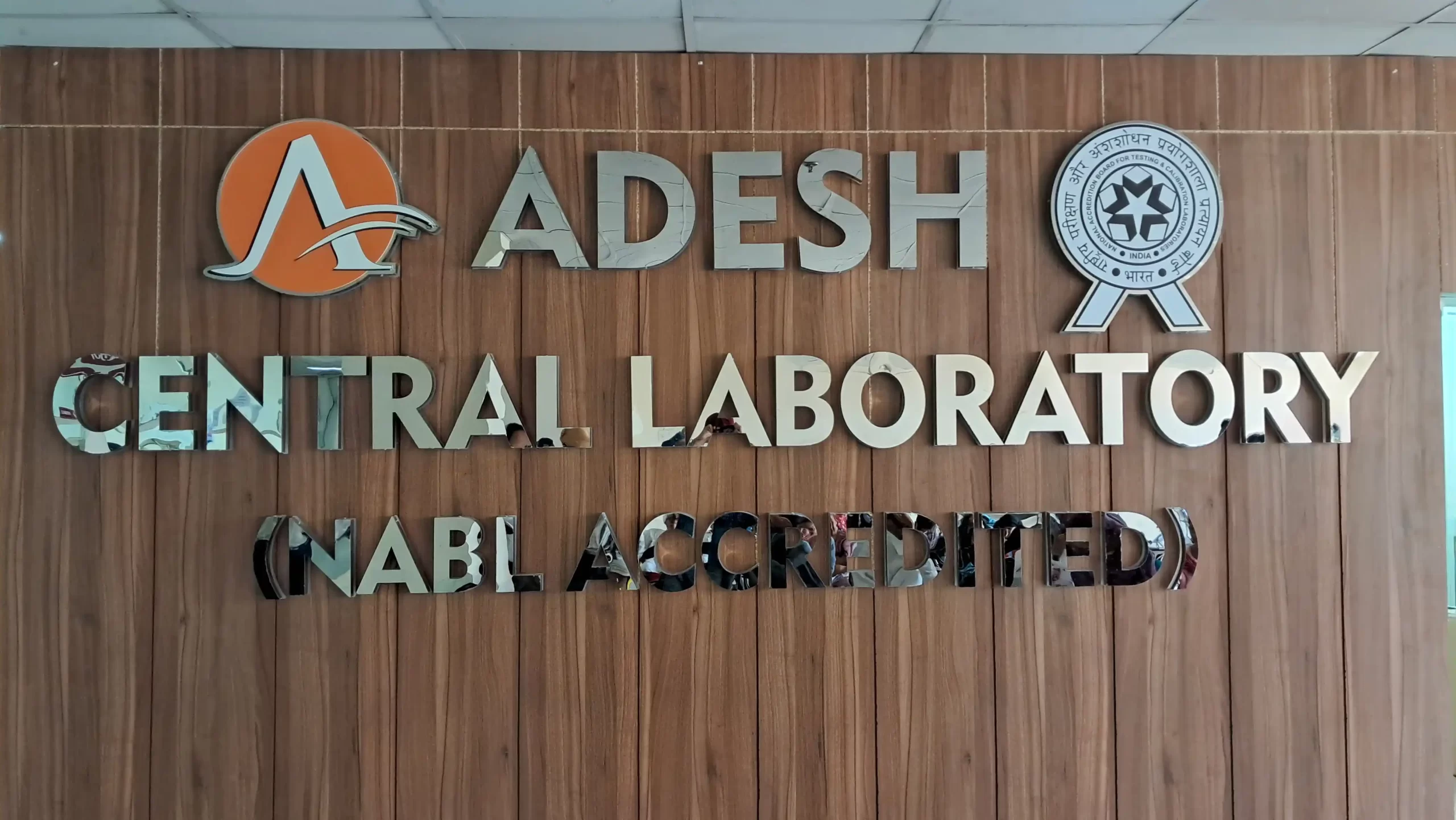
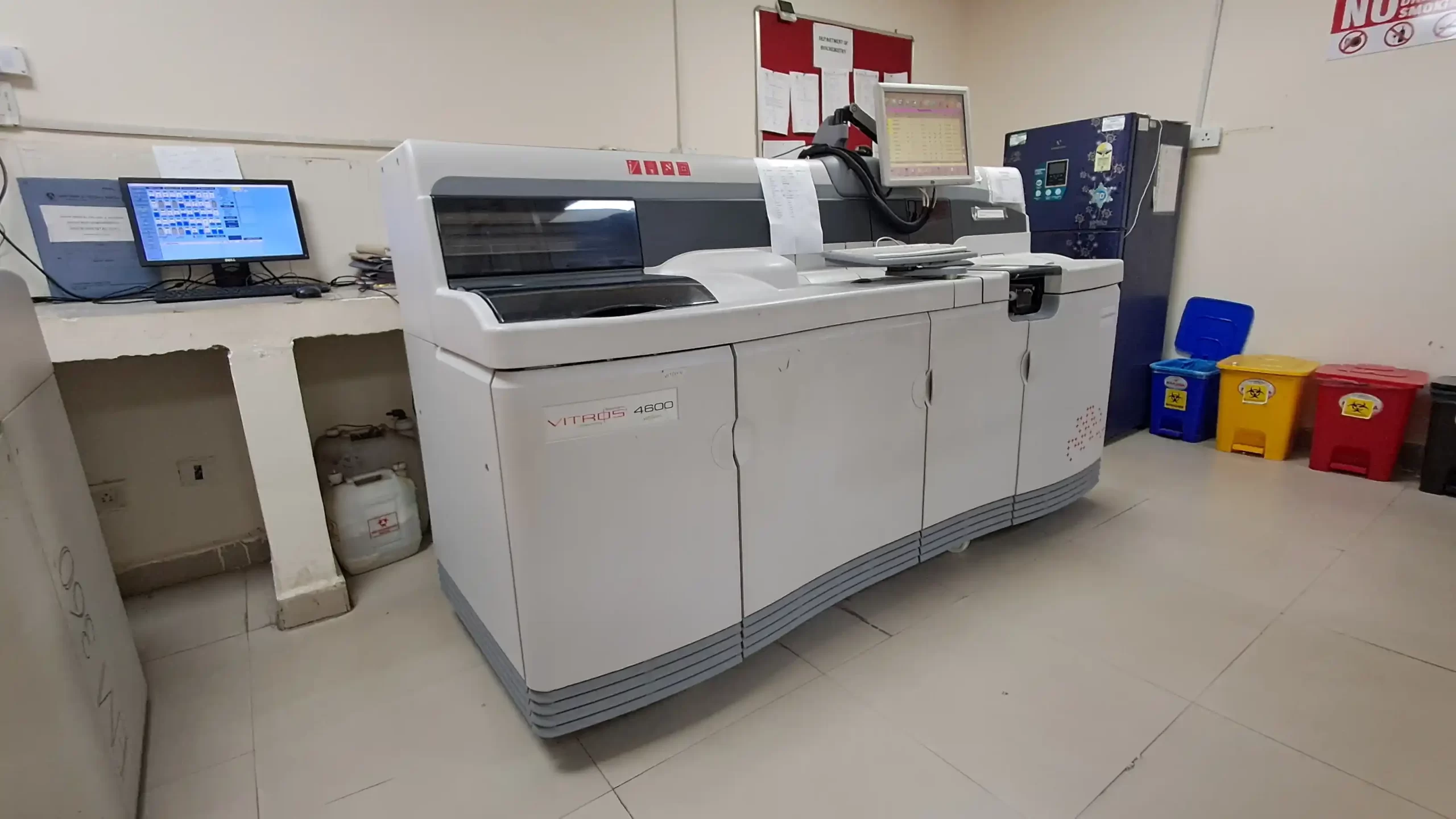
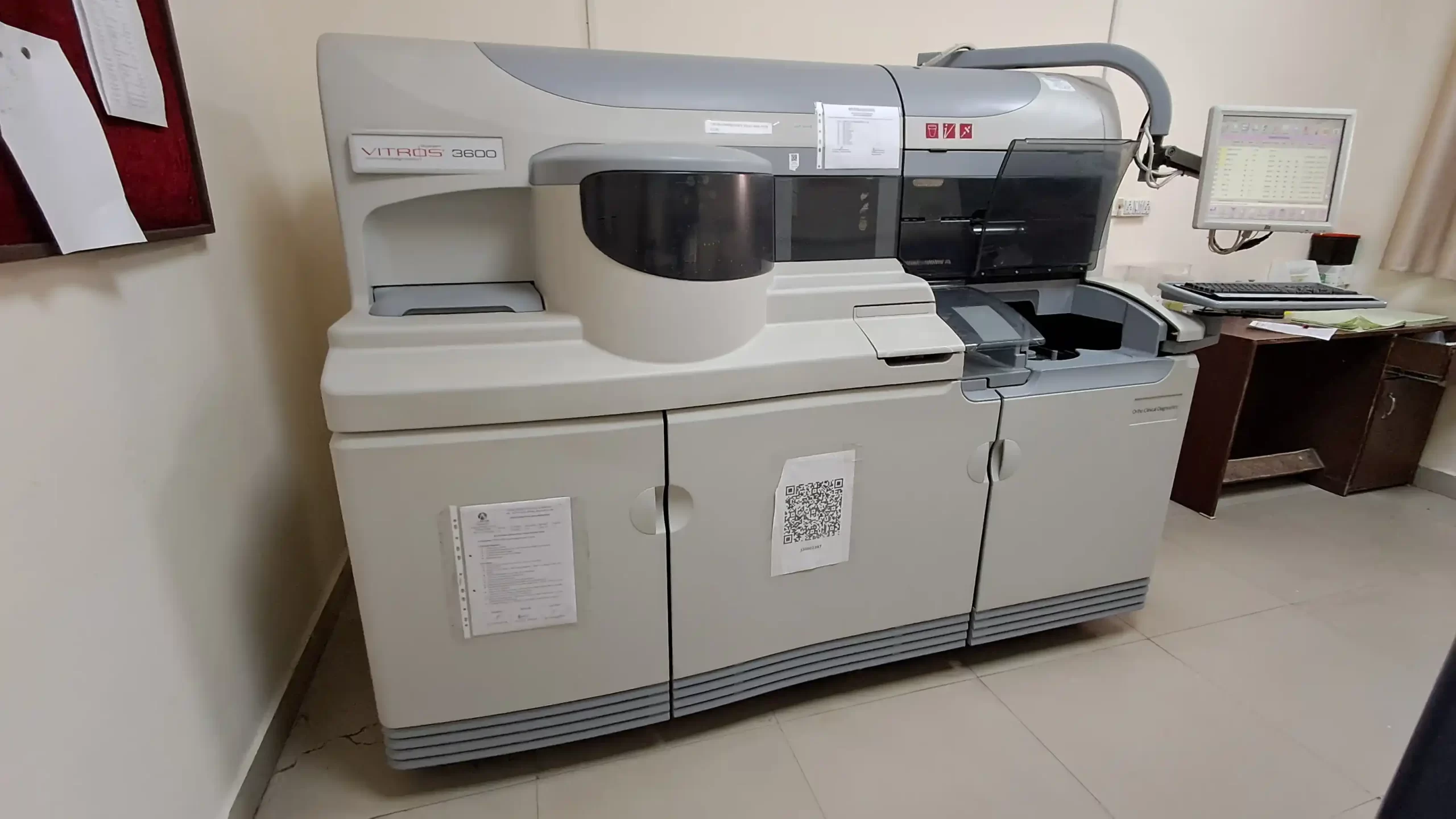
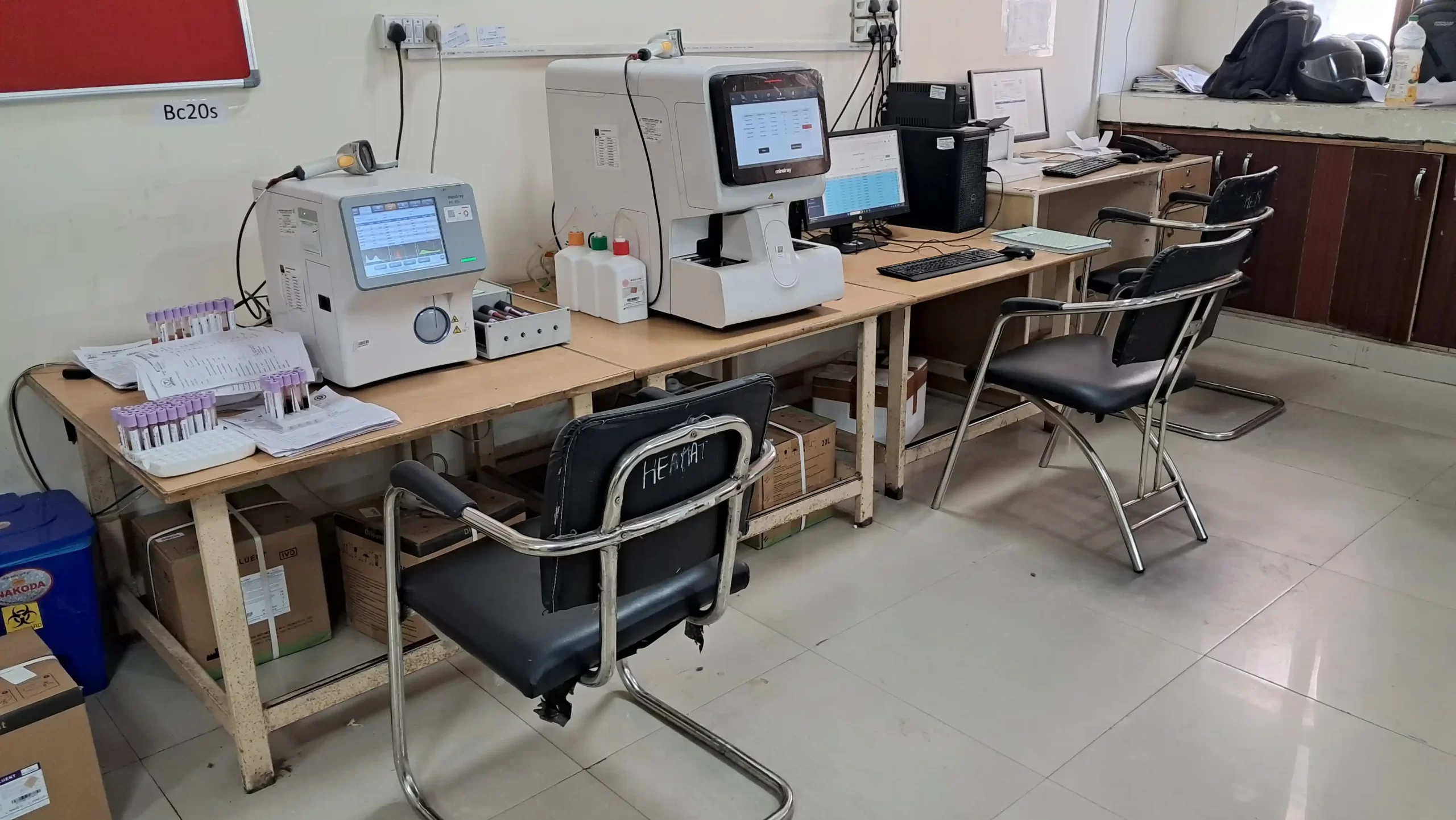
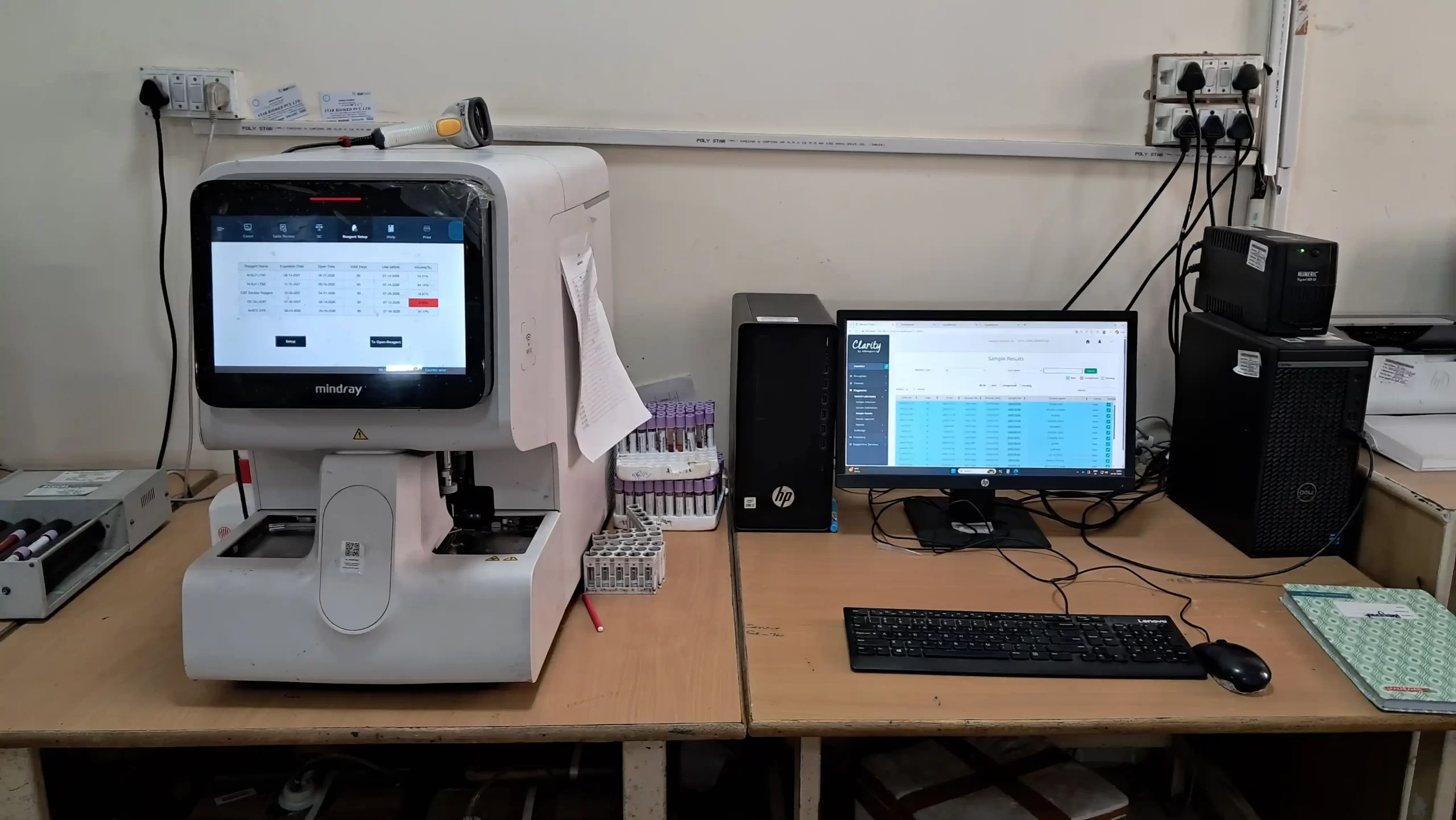
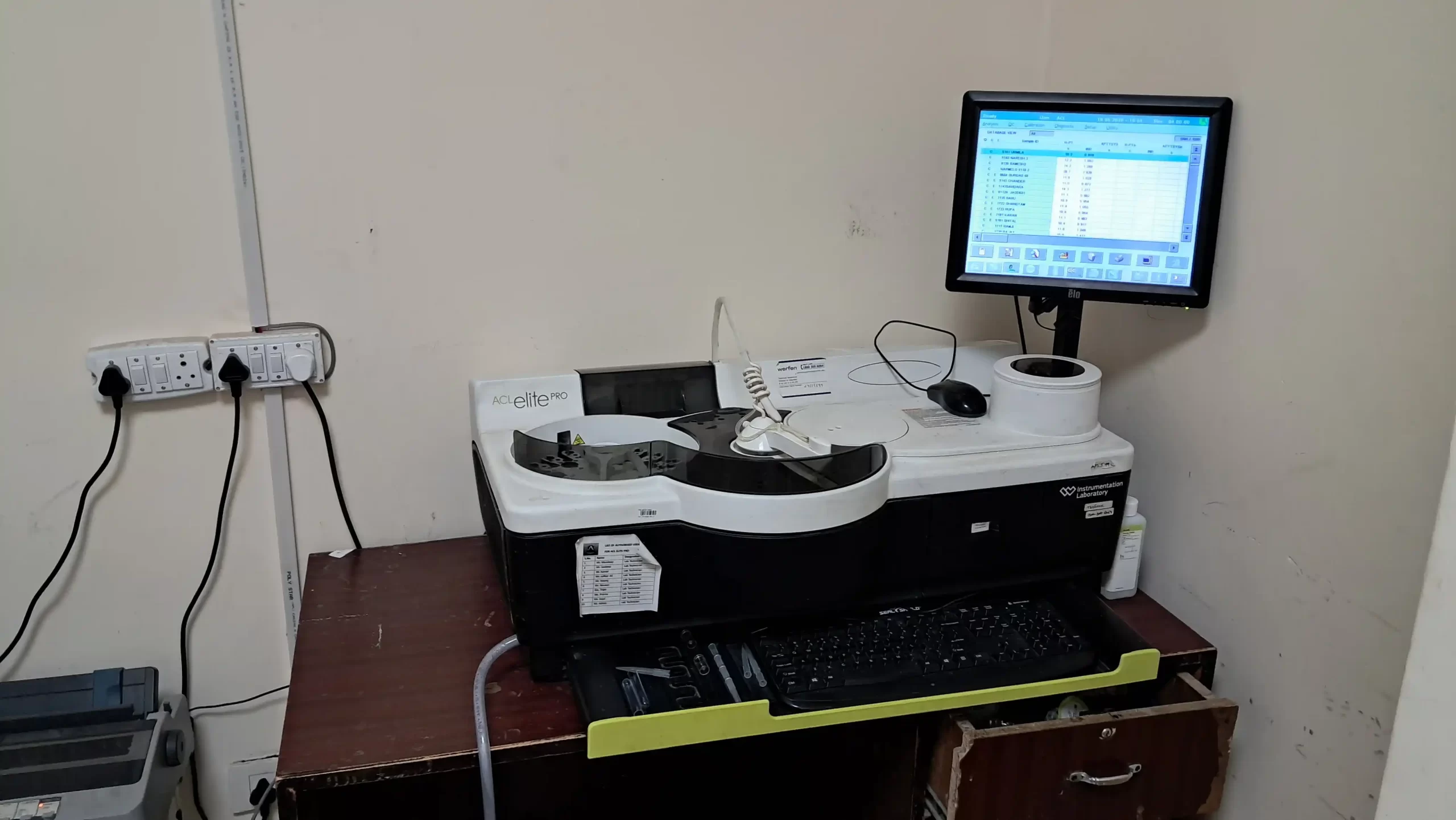
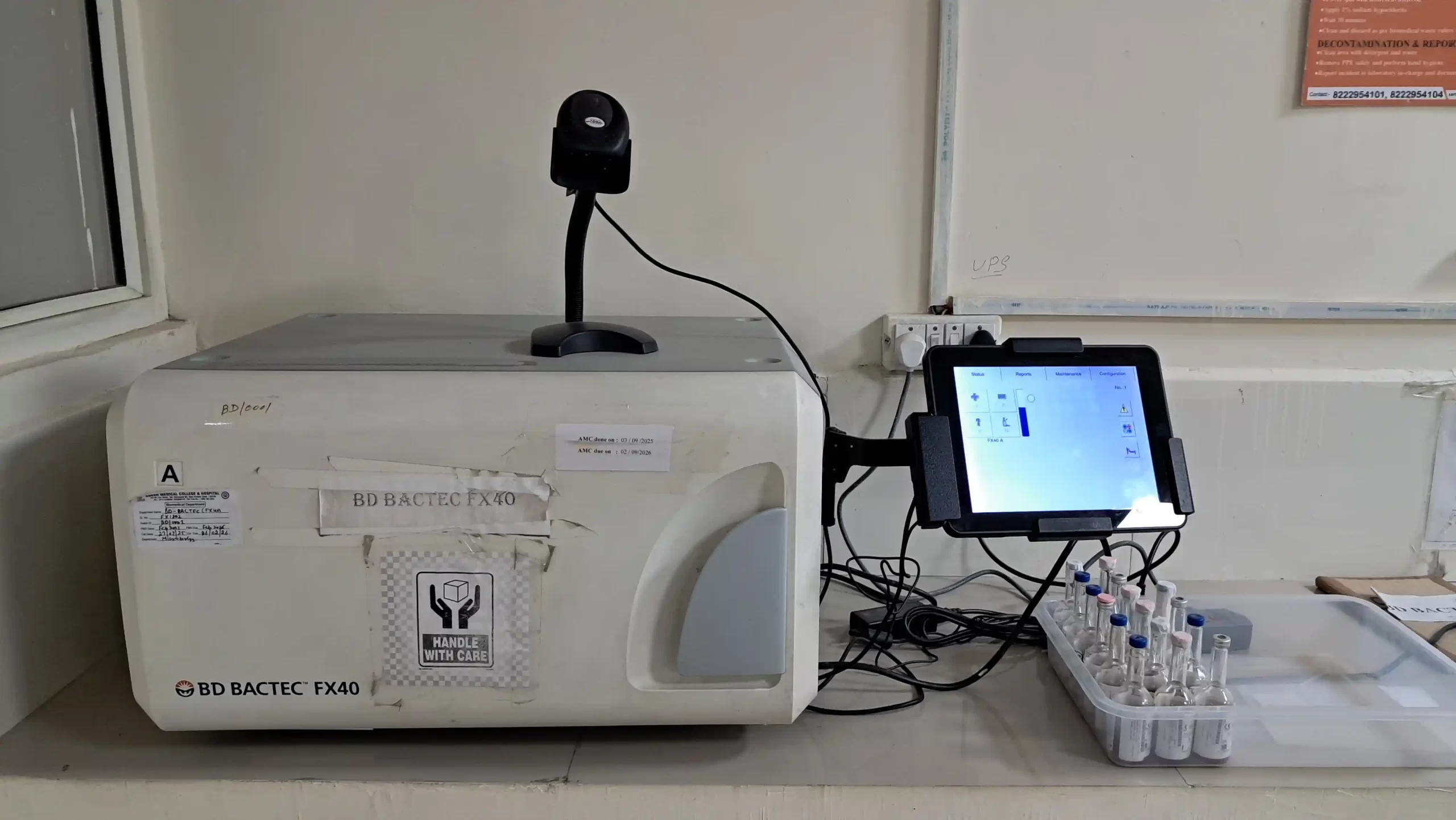
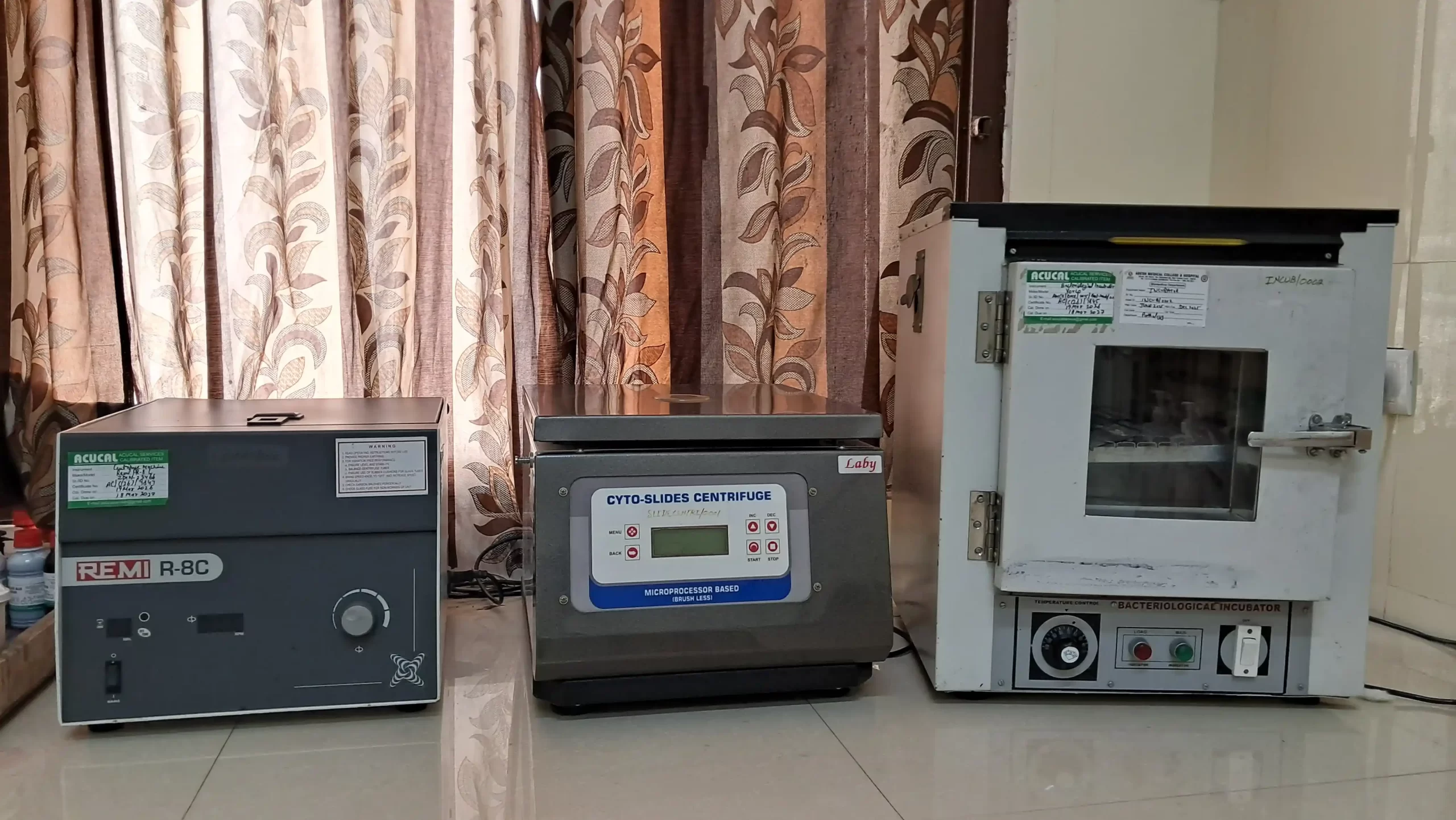
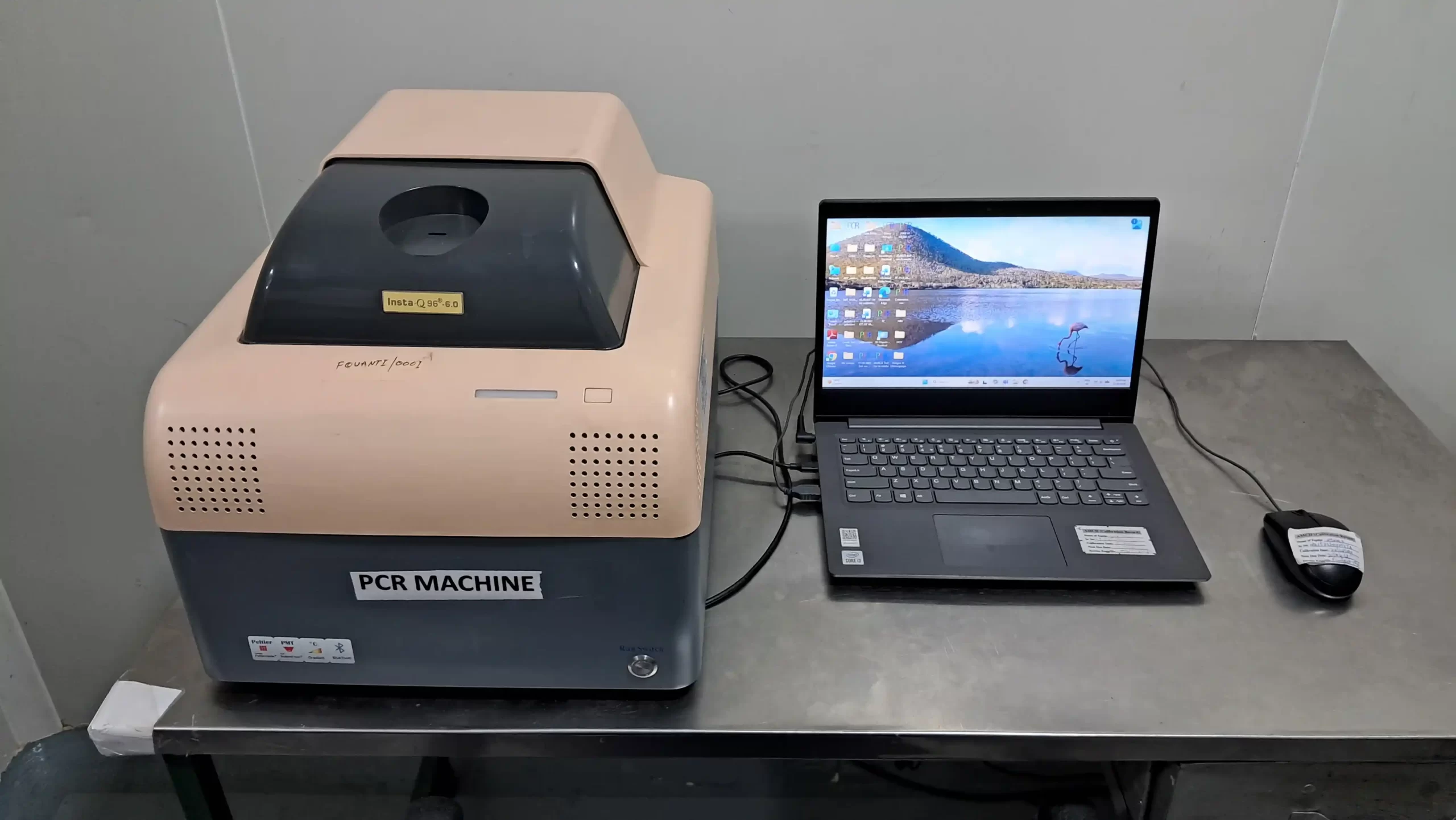
The institute houses 24×7 functional diagnostic laboratories offering real-time clinical exposure in:
Biochemistry
Haematology
Histopathology
Cytology
Microbiology
Serology
Central Clinical Laboratory
These laboratories are designed to simulate hospital-grade diagnostic environments, allowing students to develop strong analytical skills, accuracy in testing, and confidence in clinical reporting. Emphasis is placed on hands-on learning, quality control systems, and modern diagnostic protocols aligned with healthcare industry standards.
Medical Imaging & Radiology Training Unit
A highly advanced imaging department provides extensive training in diagnostic radiology and imaging technologies, including:
X-Ray, Ultrasonography, Mammography, Colour Doppler, CT Scan, CT Angiography (non-cardiac), CT Colonoscopy, CT Enterography, CT Urography, MRI (whole body), MRI Angiography, MRCP, and multiple contrast-based procedures such as Barium studies, IVP, HSG, and image-guided interventions like FNAC, biopsy, and drainage procedures.
This unit ensures students gain strong technical expertise in imaging acquisition, patient positioning, radiation safety, and diagnostic interpretation.
Specialized Departmental Training Facilities
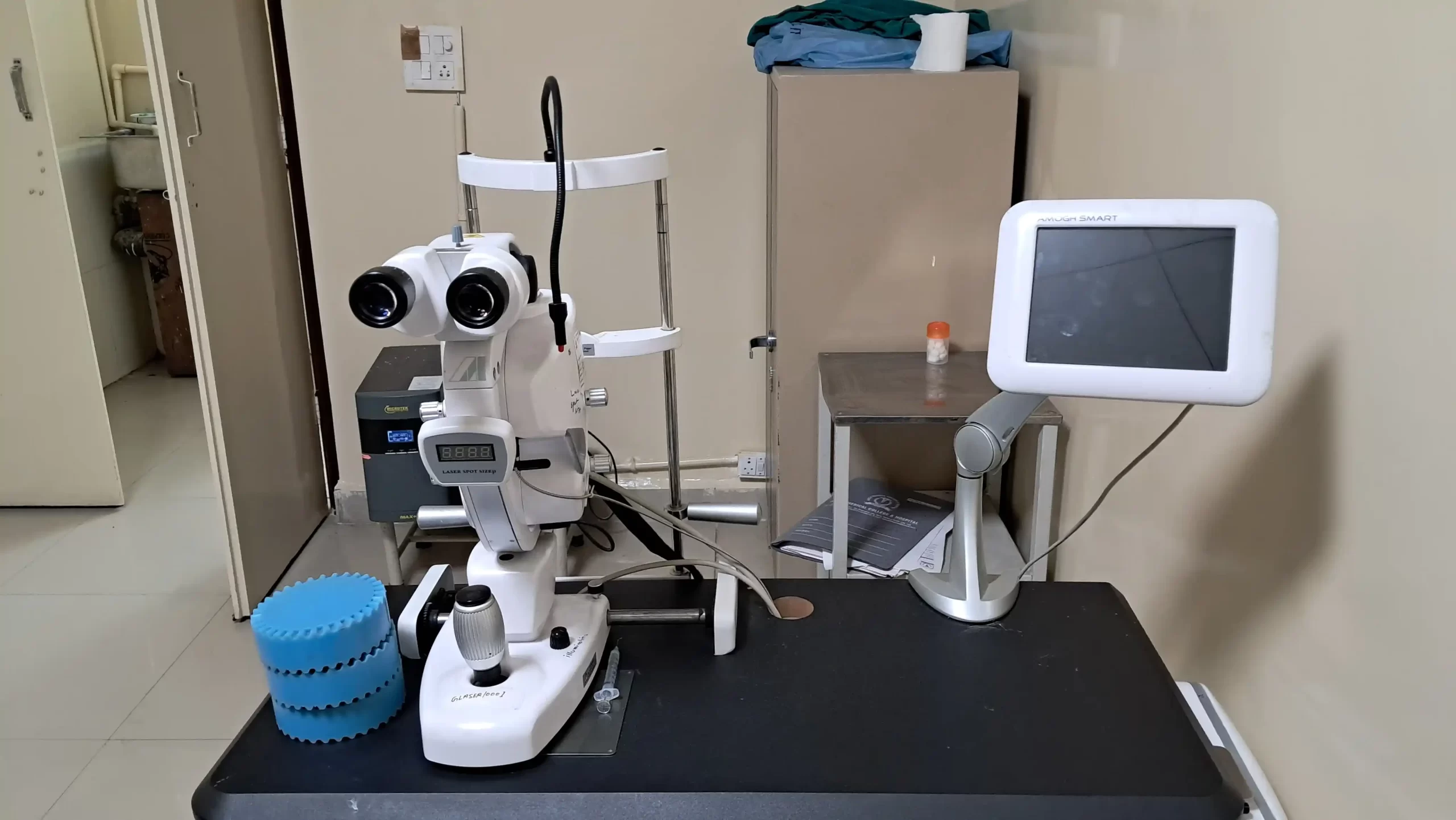
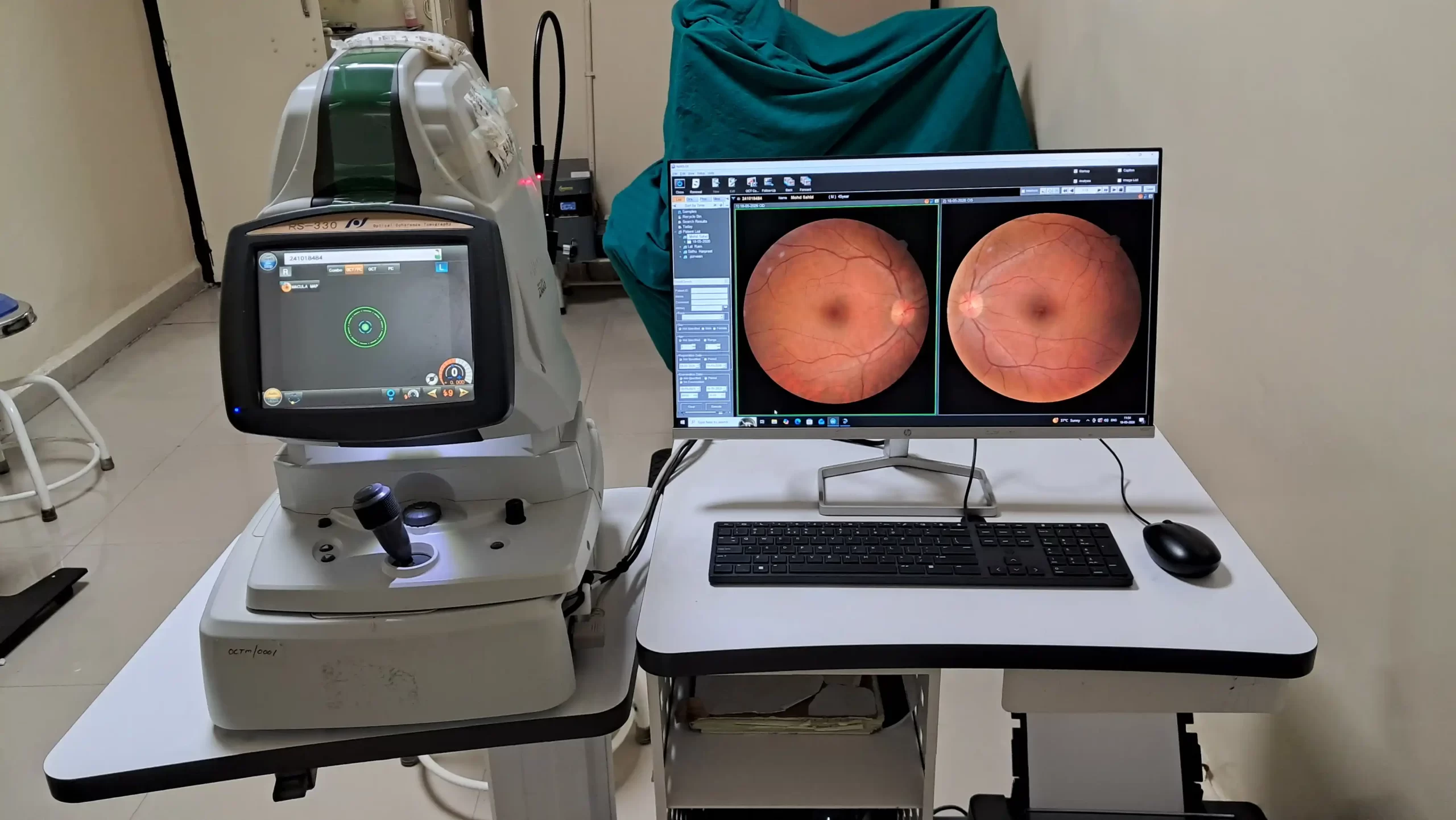
- Optometry
The Optometry department is a fully functional clinical training unit featuring an Eye OPD, refraction suite, contact lens laboratory, optical dispensing section, and vision therapy area. Students are trained using advanced instruments such as slit lamps, auto refractometers, keratometers, tonometers, ophthalmoscopes, and visual field testing systems. Exposure to OCT, fundus imaging, and low vision rehabilitation tools ensures comprehensive clinical competence in eye care and vision correction.
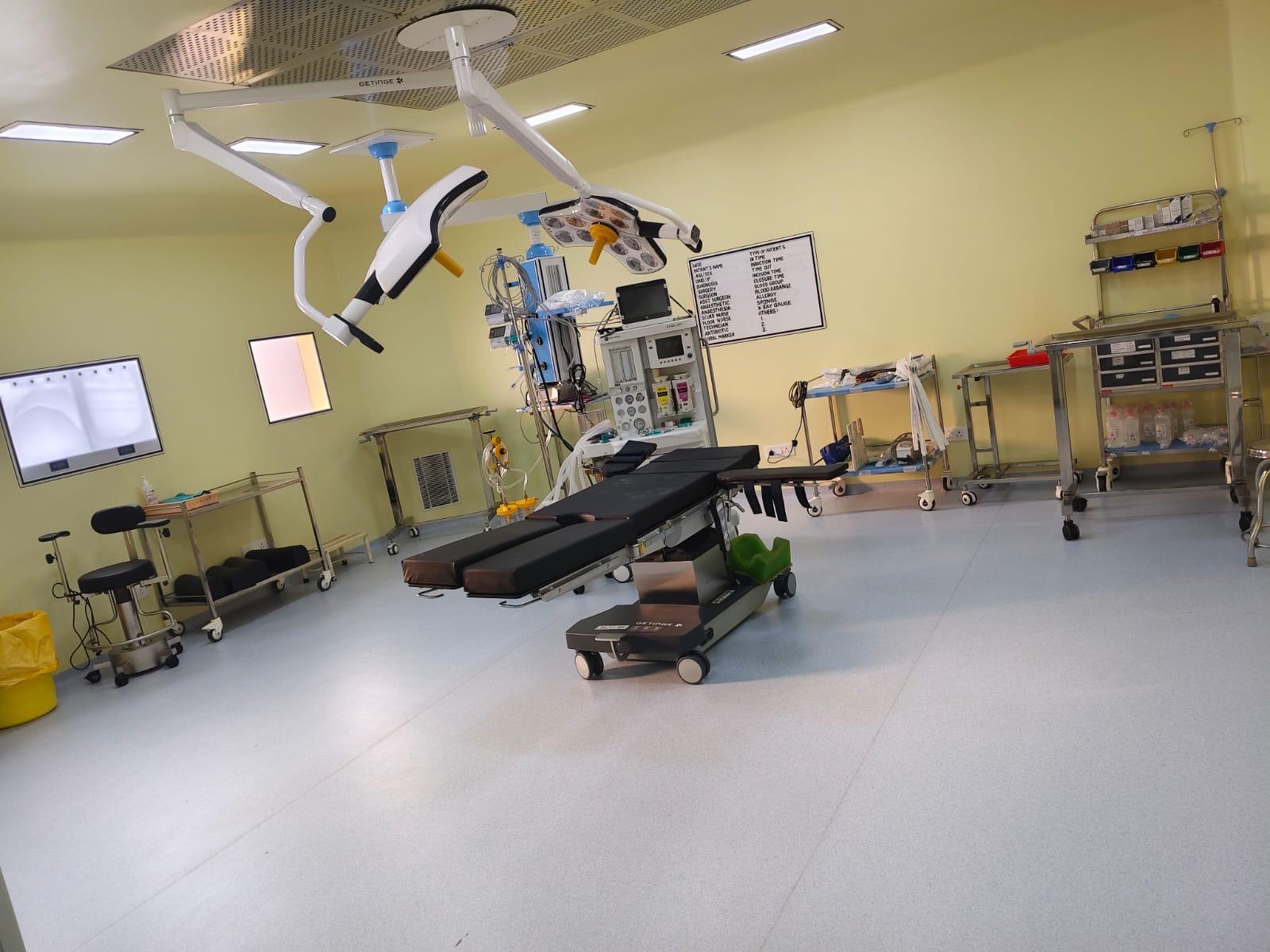
- Operation Theatre Technology Department
The Operation Theatre Technology unit is designed as a simulation-based surgical training environment equipped with modern operation theatres, anesthesia workstations, surgical tables, multiparameter monitors, ventilators, diathermy units, and suction systems. A dedicated CSSD unit strengthens training in sterilization, infection control, and instrument processing. Students are trained in aseptic techniques, surgical assistance, perioperative care, emergency protocols, and OT team coordination in real-time surgical conditions.
- Medical Laboratory Technology Department
The MLT department provides advanced hands-on training in diagnostic procedures across biochemistry, microbiology, haematology, histopathology, and cytology. Students work with modern analyzers and laboratory instruments, gaining expertise in sample processing, disease detection, quality assurance, and reporting systems aligned with hospital laboratory standards.
- Medical Imaging Technology Department
The MIT department offers intensive practical training in radiographic positioning, image acquisition, CT and MRI scanning protocols, ultrasound imaging, and radiation safety procedures. Students are trained to operate advanced imaging equipment while ensuring precision, patient care, and diagnostic accuracy in clinical environments.
- Student Life & Support Ecosystem
The campus provides separate well-furnished hostels for boys and girls with modern amenities including hygienic mess facilities, round-the-clock electricity, clean drinking water, and secure residential infrastructure. Recreational facilities such as sports grounds, gymnasium, and cafeteria support physical well-being and holistic development, ensuring a balanced academic lifestyle.